 Rockville MD
Rockville, MD · Water Heating
Water Heater Repair in Rockville, MD: Is It a Part or Is the Tank Finished?
Almost every water heater call starts with water on the floor and a question nobody wants to ask: is this fixable, or is the tank finished? That is the right question, and it has a clear answer once someone looks at where the water is actually coming from.
Water heater work is the highest-volume plumbing search in Rockville, and most of it is urgent by the time the phone rings. Below is how we tell a repair from a replacement, what differs between gas and electric units, and what this city's water does to a tank over time.
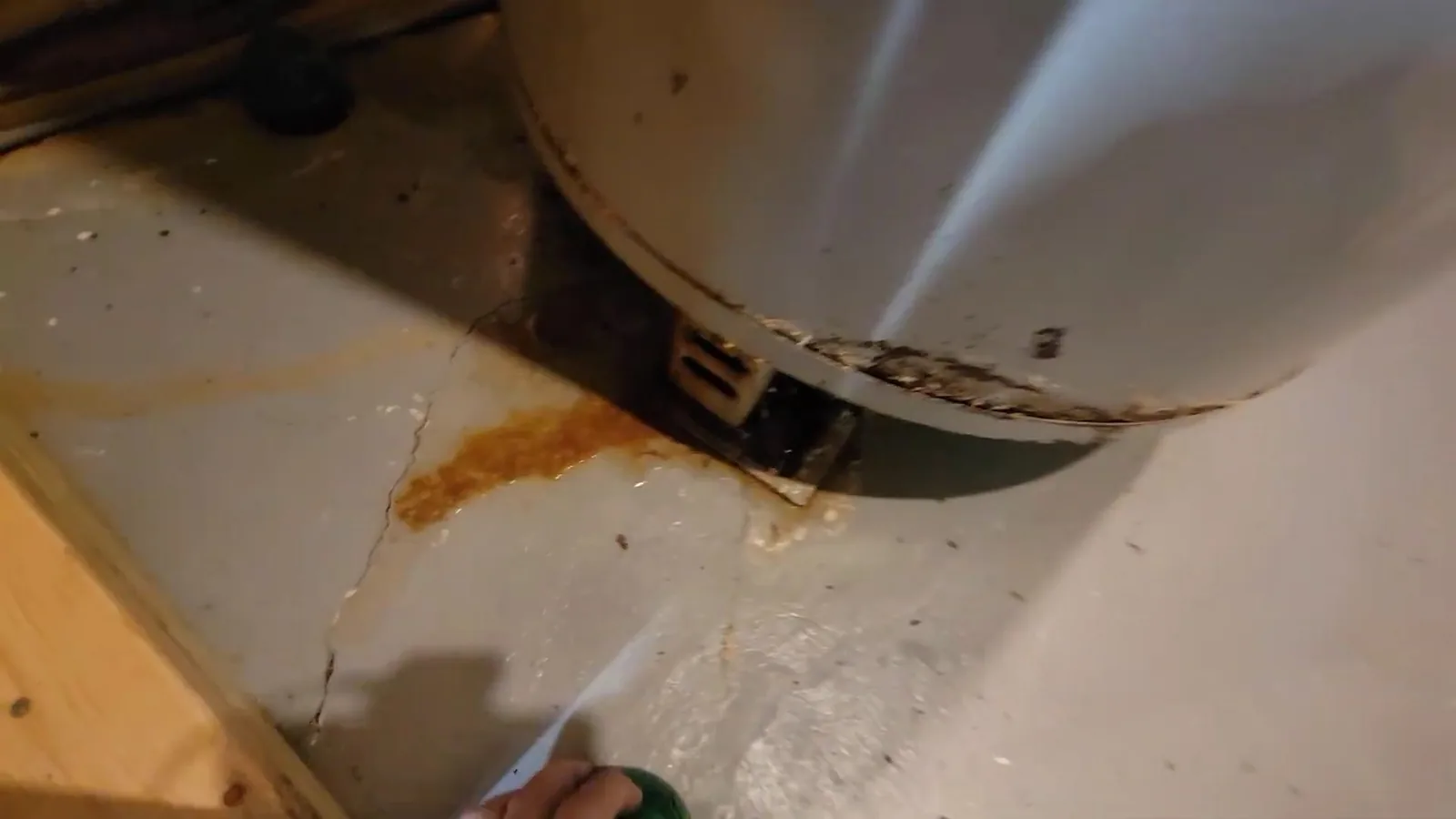
Where the water is coming from decides what happens next
Before anything else, find the source. Water sitting under the tank can come from four places, and three of them are repairs.
A drip from a threaded fitting at the top, a weeping T and P relief valve, or a failing drain valve at the base are all serviceable parts. Water seeping from the tank body itself is the steel shell that has rusted through, and no repair puts that back.
If you can get to it safely, dry the area completely and look again after twenty minutes. Where the water reappears is usually the whole diagnosis.
- Water at a top fitting, tank dry below: a connection, repairable
- Water dripping from the relief valve discharge pipe: pressure or temperature, repairable but worth understanding why
- Water at the drain valve only: the valve, repairable
- Water weeping from the tank shell with dry fittings above: the tank has failed
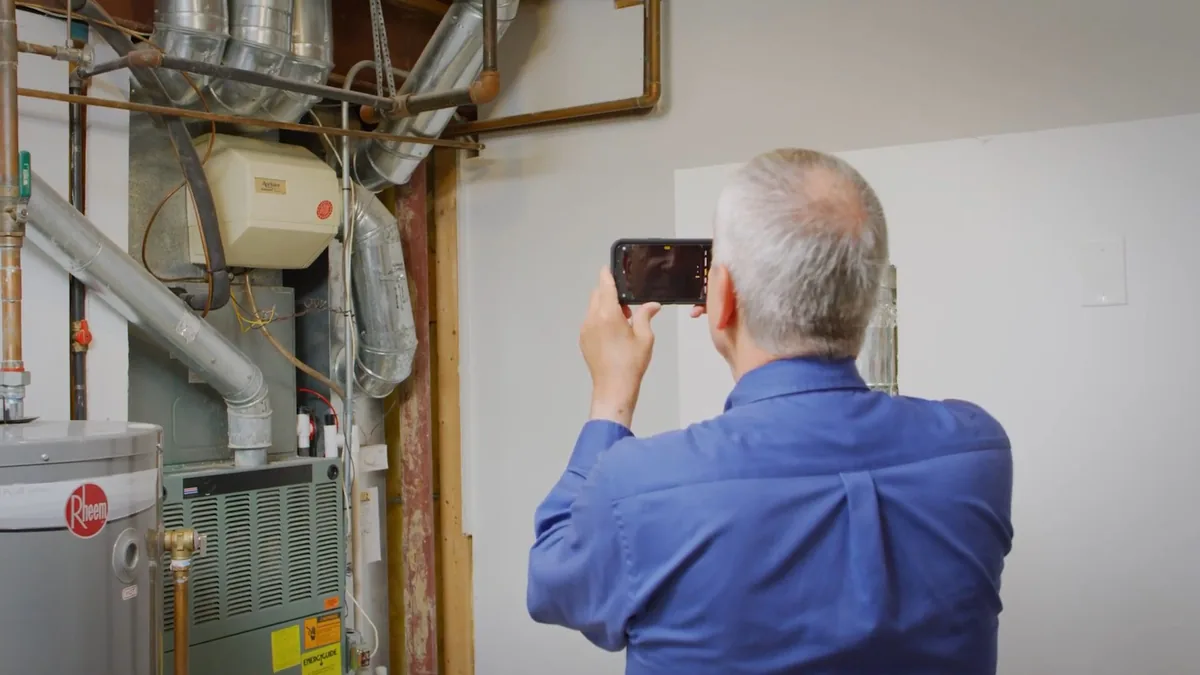
Gas units: what fails, and what we check first
On a gas heater with no hot water, the pilot and the thermocouple are the usual starting point. A thermocouple that has drifted out of tolerance will let the pilot light and then drop it again within a minute, which is the symptom most people describe as the pilot not staying lit.
Past that we look at the gas control valve, the burner assembly and the venting. Venting matters more than people expect.
A blocked or disconnected flue is both a performance problem and a safety one. It gets checked on every gas call, not only when something looks wrong.
Electric units: elements, thermostats and the reset button
Electric heaters fail differently. Most electric heaters have two elements and two thermostats, and the pattern of the complaint points straight at which one.
No hot water at all usually means the upper element or thermostat, or a tripped high-limit reset. Hot water that runs out far faster than it used to usually means the lower element has failed and only the top of the tank is heating. Both are repairs, and both are quick ones once the diagnosis is right.
- No hot water at all: upper element, upper thermostat, or the high-limit reset
- Hot water runs out quickly: lower element
- Water too hot: thermostat calibration
- Breaker trips when it heats: a shorted element, and the tank should stay off until it is replaced
Repairing a unit that is already near the end
There is a point where another repair is not the economical choice, and we would rather say so than take the work. If a tank is well into its second decade and the failure is the shell, replacing a part on it is money spent on a unit that will leak again somewhere else.
What we do is tell you the age, the failure, and what each path costs in a range before you decide. If replacement is the better answer, that moves to the installation side of the job rather than staying here.
What Rockville water does to a tank over time
Rockville is served by two systems. The city's own plant, drawing from the Potomac River and running since 1958, supplies about 70 percent of the city. WSSC Water supplies the rest. Both end up at Potomac River source water for most addresses here.
By WSSC's figures the supply sits in the moderately hard band, a little over 7 grains per gallon. In a tank that shows up slowly. Minerals drop out as the water heats, collect on the tank floor, and put a layer between the flame or the element and the water it is meant to heat.
The rumbling or popping sound on heat-up is that sediment layer. It is worth a flush well before it becomes the reason the tank fails, and it is the one piece of maintenance that actually pays for itself here.
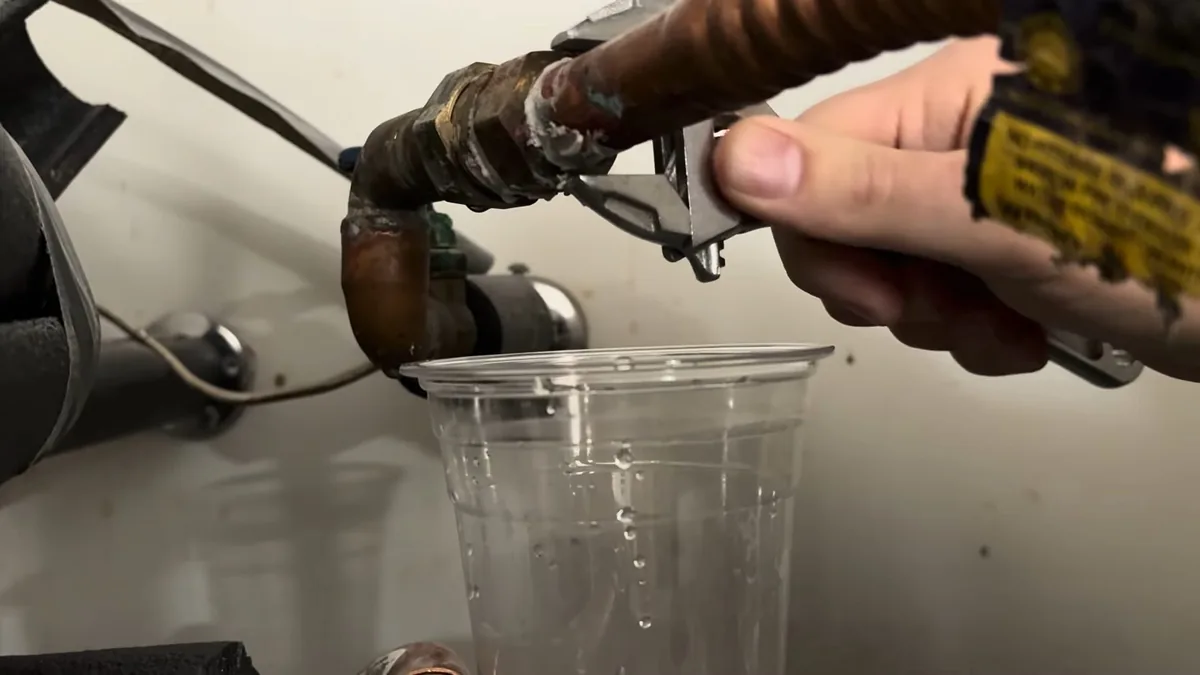
What a repair visit looks like
We would rather you knew the sequence before anyone arrives, so there are no surprises about what is happening in your utility room.
- Confirm the leak source and isolate the unit, shutting off gas or power and the cold inlet
- Test the failed component rather than replacing parts on a guess
- Give you the finding, the fix and a price range before any work starts
- Carry out the repair, then refill and test under real demand rather than just watching for drips
- Check the T and P discharge and the venting before leaving, on every visit
If something else is wrong while we are there, say so. A failing mixer cartridge or a leaking isolation valve costs less to deal with on the same visit than as a second call-out.
It can also be the answer. A fixture fault sometimes explains a hot water complaint that has nothing to do with the heater at all.
Rumbles, permits and repair costs
My water heater is leaking. Should I turn it off myself?
Yes, and it is the one thing worth doing before anyone arrives. Shut the cold water inlet valve at the top of the tank. On a gas unit turn the gas control to off, and on an electric unit switch off its breaker.
Do not try to drain it unless you are confident with the hose connection. A partly drained tank with the power on can damage the elements.
How long should a water heater last here?
A conventional tank typically gives eight to twelve years, and Rockville's moderately hard water tends to push units toward the lower half of that unless they have been flushed.
Age alone is not a reason to replace a working heater. Age plus a shell leak is, and then replacement is the honest recommendation.
What does a water heater repair cost in Rockville?
A thermocouple and a failed element are not the same job, so there is no single repair price. Our cost page lists what the common repairs tend to run.
You get the figure before work starts. If the repair does not make economic sense against the age of the unit, we say that.
Do I need a permit to replace a water heater in Montgomery County?
For a gas unit, yes. WSSC Water issues it rather than the county, and one of its inspectors has to sign the new heater off shortly after it goes in. The full sequence is on our our gas line permit page.
Anyone replacing a gas heater without that inspection has skipped a step.
My water heater rumbles when it heats. Is that serious?
Rumbling or popping is usually sediment. Water trapped under a layer of it boils and forces its way out, which is the noise you hear.
It is not an emergency, but it is a signal the tank is working harder than it should. Worth looking at before it becomes a performance complaint.
If it turns out not to be the heater
If the tank itself has gone rather than a fitting, the job moves over to water heater replacement, where sizing and venting matter more than the repair does. Households that have already switched away from a tank are usually looking at tankless servicing and descaling instead, which the local water hardness makes worth scheduling.
Where the water under the unit turns out to be coming from somewhere else entirely, locating a hidden leak is the better place to start.
Covered ZIPs: 20850, 20851, 20852, 20853 · Full service area
No hot water, or a tank that is leaking?
Shut the cold inlet, turn off the gas or the breaker, and call. We will tell you on the phone whether this sounds like a part or a tank.