 Rockville MD
Rockville, MD · Gas Services
Gas Line Repair in Rockville, MD: Smell Gas? Leave First, Then Call
Gas work has a different order of operations to everything else on this site. If you can smell gas right now, the plumber is not your first call.
Below is what to do first, what a proper leak test involves, and how the permit and inspection side works in Montgomery County, which catches out people who have moved here from elsewhere in Maryland.
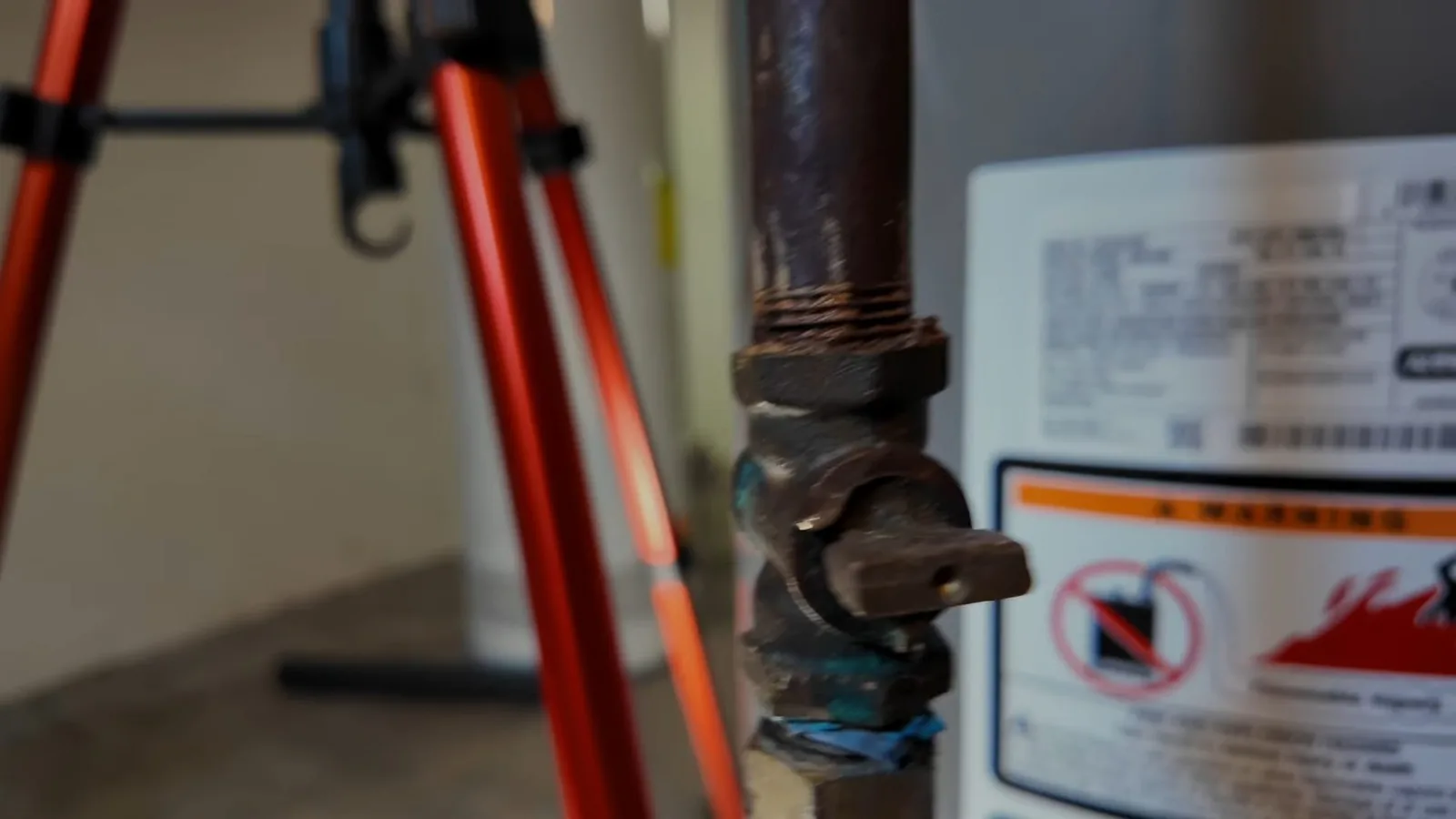
If you can smell gas, do this before calling a plumber
The sequence below is not ours. It is the standard safety sequence, and it exists because the first few minutes matter more than who eventually does the repair.
- Do not switch anything electrical on or off, including lights, and do not use a doorbell or a garage door
- Get everyone out of the building, and leave the door open behind you
- From outside and away from the building, call the gas utility's emergency line and 911 if the smell is strong
- Do not go back in until the utility says it is safe
- Call us once the utility has made the property safe, to find and repair what caused it
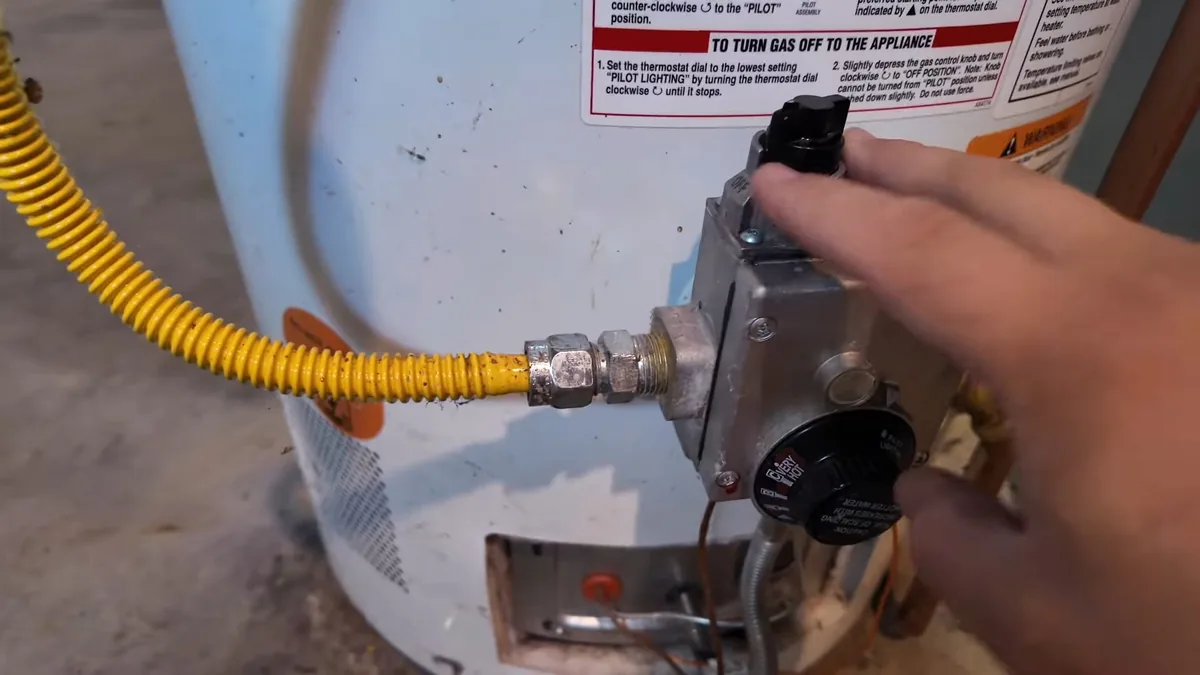
What a real leak test involves
Finding a gas leak is not a matter of sniffing around with a soapy sponge, although that has its place on a single fitting. A proper test isolates the system and puts it under pressure with a gauge on it.
If the pressure holds, the system is tight. If it falls, the rate of fall tells us roughly how big the leak is, and we then section the system to narrow down where it is before anything gets opened up. Electronic detection handles the fittings and joints that a pressure drop cannot localise on its own.
- Isolate the system and remove appliances from the test
- Pressurise and hold, watching the gauge rather than guessing
- Section the run to narrow the location before opening anything
- Electronic detection and solution testing at the fittings
- Repair, then re-test the whole system rather than just the repaired joint
Running a new line to an appliance
New gas runs come up most often for a range, a dryer, a fireplace insert or a standby generator. The work itself is straightforward. Sizing it correctly is where it goes wrong.
A line sized for the appliance alone, without accounting for everything else drawing on the same system at the same time, will starve something under load. We size for the whole system, fit a sediment trap and an accessible shutoff at the appliance, and test before anything is commissioned.
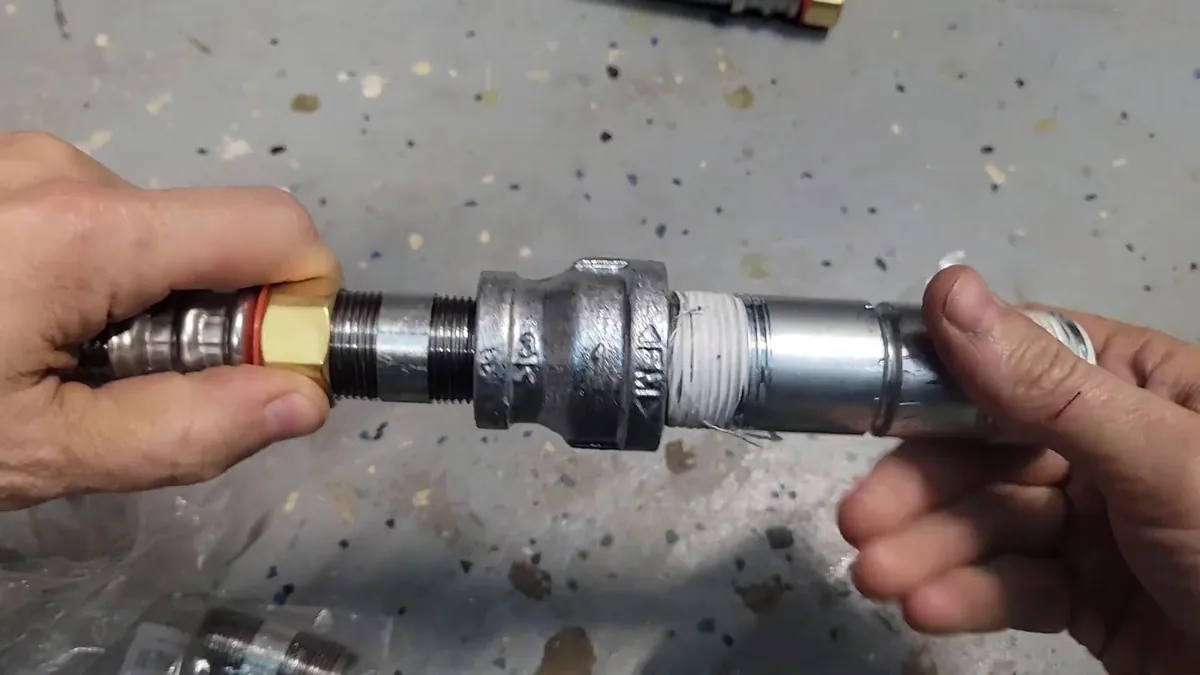
A gas leak and a carbon monoxide problem are not the same thing
These get confused constantly, and the confusion is dangerous in both directions. A gas leak is unburned fuel escaping from a pipe or a fitting. Carbon monoxide is a combustion product from an appliance that is burning but not venting properly.
They smell different, or rather one of them does not smell at all. Natural gas has an odorant added so you can detect it. Carbon monoxide has no smell, which is why detectors exist and why symptoms like headaches or drowsiness that improve when you leave the house are worth taking seriously.
A gas detector and a carbon monoxide alarm are different devices, and having one does not cover you for the other. On any gas call we check appliance venting as well as the line itself, because a tight gas system with a blocked flue is still a house with a problem.
- Smell of gas: a leak, leave and call the utility from outside
- No smell but headaches or nausea that clear when you leave: possible carbon monoxide, get out and call emergency services
- An alarm sounding with no smell: treat it as real until proven otherwise
- Sooting or staining around an appliance vent: a combustion or venting fault worth looking at now
The WSSC permit and the ten business day inspection
This is the part that surprises people. Gas and plumbing permits in Montgomery County do not come from the county permitting office. WSSC Water is charged by the State of Maryland with issuing them, and it carries out the inspections.
First-time installations and replacements of gas appliances need a WSSC permit, and a WSSC plumbing inspector has to see the work within 10 business days of installation. Montgomery County inspections run through the Seneca and Lyttonsville depots.
Gas work also has to be done by a master gasfitter licensee under WSSC's rules, which is a narrower requirement than the general plumbing licence. If someone offers to run you a gas line without a permit, that is the signal to stop.
Gas line questions in Montgomery County
I can smell gas faintly. Is that an emergency?
Treat it as one. Leave the building without touching switches, and call the gas utility's emergency line from outside.
A faint intermittent smell near one appliance is sometimes a loose connector rather than a line fault, but that is a conclusion for after the utility has made it safe, not a reason to stay inside and investigate.
Do I need a permit to add a gas line for a range or a dryer?
Yes. In Montgomery County that permit comes from WSSC Water rather than the county, and the installation has to be inspected by a WSSC plumbing inspector within 10 business days.
We handle the permit as part of the job. It is not an optional step and it is not a formality.
What does gas line work cost here?
It depends mostly on the length of the run and how accessible it is, plus the pressure testing the job requires. A short run to an appliance in an open basement is a different job to a long concealed run.
The cost guide gives the range for repairs and new extensions, and you get a figure before work starts.
Can my regular plumber do gas work?
Not necessarily, and this is worth checking. WSSC requires gas work in Montgomery County to be done by a master gasfitter licensee, which is a different and narrower credential than a general plumbing licence.
A plumber who is licensed for plumbing is not automatically licensed for gas.
How do I verify a gasfitter licence before I let someone start?
Ask for the WSSC licence number and call WSSC's licensing office on 301-206-8588 to confirm it covers gas work.
The Maryland State Board of Plumbing, within the Maryland Department of Labor, issues the separate state credential. Both matter, and checking takes one phone call.
Where gas work meets water work
Gas work and water work overlap more often than people expect. A gas water heater that will not stay lit is usually a heater fault rather than a supply problem, and it is worth ruling that out before anyone opens a line.
Where a new appliance run is going in as part of wider work, the same WSSC permit and inspection applies, and other plumbing work on the same visit can usually be scheduled together.
Covered ZIPs: 20850, 20851, 20852, 20853 · Full service area
Gas smell, or a line that needs running?
If you can smell gas, call the utility from outside the building first. Call us once the property is safe and we will find what caused it.