 Rockville MD
Rockville, MD · Sewer & Mains
Sewer Line Repair in Rockville, MD: Is It a Blockage or Is the Pipe Failing?
Sewer line work starts with a question that decides everything else: is this a blockage, or is the pipe itself failing?
Clearing a blockage takes an hour. A failing lateral is a different conversation about cost, access and method. The honest way to tell them apart is to look inside the pipe, and that costs less than guessing wrong in either direction.
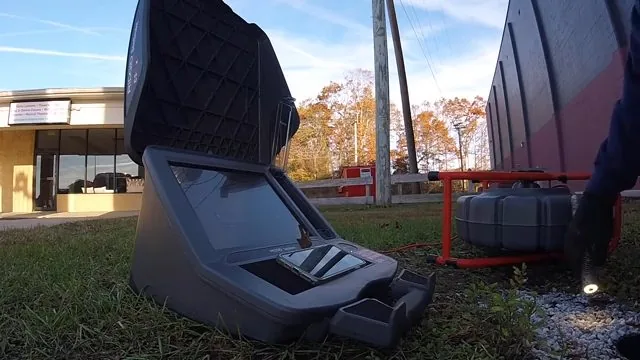
Blockage or failure? The camera settles it
A line that has blocked once and cleared easily is a blockage. A line that keeps blocking, or that blocks after rain, or that blocked with no obvious cause is worth looking inside before spending anything else on it.
Sending a camera down from the access point reveals the real fault, and the finding is one of five. Each has a different fix and a different price, and none of them is visible from the outside.
- Roots entering at a joint
- A sag that holds standing water
- An offset where sections have moved apart
- A crushed length of pipe
- Years of build-up along the wall
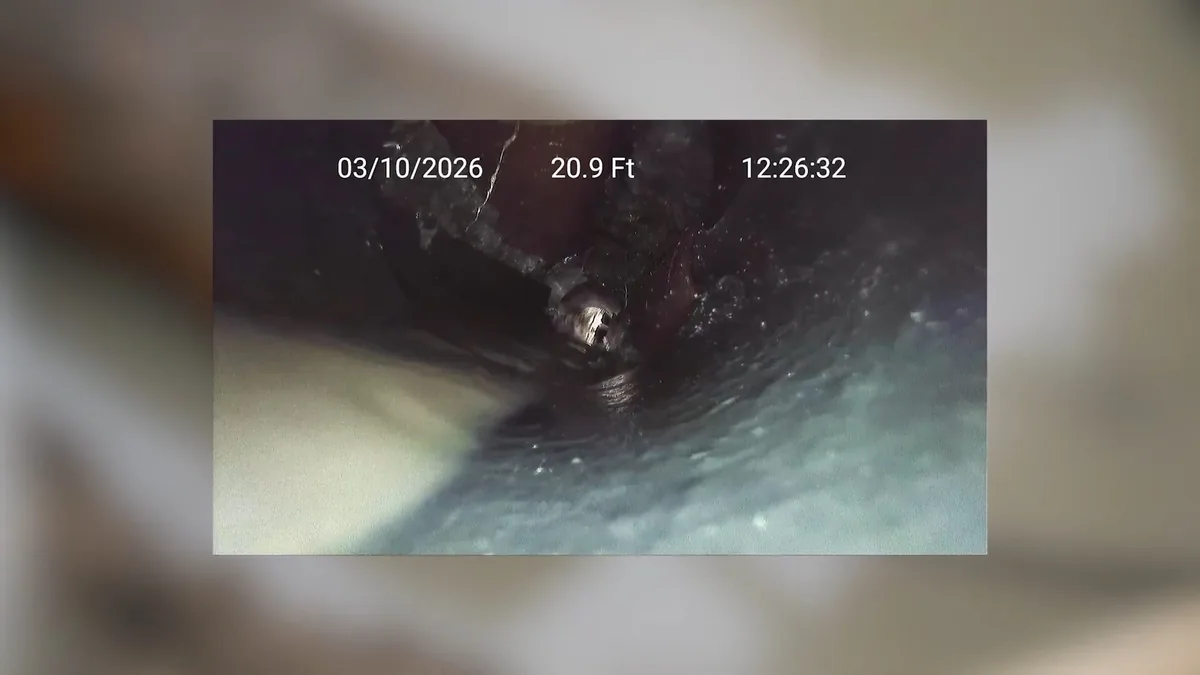
Roots, and why they find the joint
Roots do not break into sound pipe. They find a joint or a crack that is already weeping, because that is where the water and the nutrients are, and then they widen it.
That is why root problems recur on a schedule. Cutting them out restores flow and leaves the entry point, so the roots come back to the same place. Dealing with it properly means either rehabilitating the pipe so there is nothing to grow into, or replacing the affected section.
Clearing the main line when it is genuinely just blocked
Plenty of main line calls really are blockages, and they get cleared rather than investigated. Wipes that should never have been flushed, a build-up at a bend, grease from a kitchen that drains into the same run.
We cable it from the cleanout, confirm flow, and tell you whether what came back suggests anything worse. If it was a one-off with a plausible cause, that is the end of it and we say so rather than selling an inspection you do not need.
What the city documents about repeat backups
Rockville's own 2040 Comprehensive Plan is unusually direct about this. It states that repeated sewer backups are a clear indication of a problem with a pipe segment, and it names inflow and infiltration as something that can be a major problem in the system.
The plan also identifies four places where sewer capacity is constrained.
- The Pike beside Twinbrook Metro
- Rollins Avenue
- Hurley Avenue
- Veirs Mill Road
Sanitary sewer ownership in the city is split, with the City of Rockville maintaining about 148 miles of sewer pipe and WSSC maintaining its own service areas.
None of that makes a given backup someone else's responsibility. It does mean that if yours follows heavy rain and has happened before, where you are matters, and it is worth telling us at the start.
Lateral versus main: who owns which part of the sewer line
The lateral from the house to the connection is the property owner's. The main in the street is the utility's. The practical problem is that the boundary is invisible and people find out where it is in the middle of an expensive week.
A camera with a locator on it establishes both the position and the depth of the fault, which is what tells you whose side of the line it is on before anybody starts digging or arguing.
| Section of the line | Who looks after it | How the fault is placed |
|---|---|---|
| The house drain inside the building | The property owner | Camera from the cleanout |
| The lateral from the house to the connection | The property owner | Camera with a locator for position and depth |
| The main in the street | The utility, which is the City of Rockville or WSSC depending on the street | The utility confirms its own side, and the camera shows where the lateral meets it |
Replacement, and what the line is made of
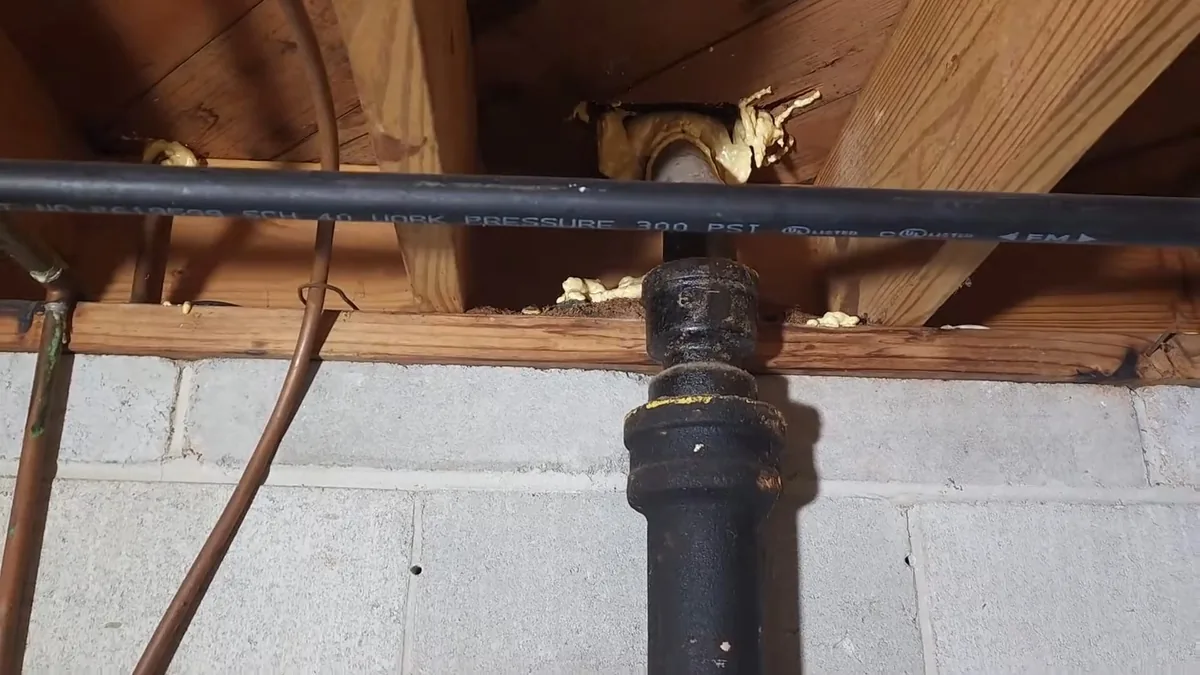
If a section has to come out, what it is made of affects the method. Older laterals in this region can be cast iron, clay or, on later work, plastic, and we establish which by looking rather than by assuming from the age of the house.
That matters because the material changes both how it fails and whether it can be rehabilitated in place. A clay line with offset joints and a cast iron line with a corroded invert are different problems even when the symptom at the sink is identical.
Commercial and industrial sewer lines
Commercial lines fail in the same ways and matter more per hour. A restaurant, a clinic or a managed block cannot simply stop using water while someone works out what is happening.
Scheduled camera work on a known problem line is far less disruptive than an emergency excavation during trading hours, and for premises with grease loading it usually works out better over a year.
Depth, rain and who owns the lateral
Sewage is backing up into the house. What do I do right now?
Stop using water everywhere in the property. Every flush and every drained sink adds to what is coming back up.
Keep people away from the affected area, because this is a contamination problem as much as a plumbing one, and call.
How do I know if it is roots?
The pattern is the clue. Root problems recur on a rough schedule and often worsen in wet seasons, and clearing them works for a while each time.
A camera confirms it and, more usefully, shows where the entry point is, which is what determines whether a repair or a lining is the answer.
What does sewer line work cost in Rockville?
A main line clear sits at one end and a lateral replacement at the other, with camera inspection priced separately. The cost guide sets out the ranges for clearing, lining and replacement.
Depth and access move the number more than length does.
My backups happen after heavy rain. Is that my pipe or the system?
It can be either, and it needs looking at before anyone can say honestly. Groundwater entering your lateral through a defect is yours. A capacity constraint in the public system is not.
The city's own plan documents inflow and infiltration as a known issue in parts of the system, so the question is a fair one to ask.
How deep is my line, and does depth change the price?
Depth is one of the larger variables, because it decides how much excavation a dig repair needs and whether the sides have to be supported.
The camera survey gives us the run and the depth before anything is quoted, which is why we would rather survey than estimate. A deep line is also the case where a no-dig method tends to win on cost.
Drain cleaning, jetting and camera work alongside sewer repair
If the blockage is at a fixture rather than in the main line, ordinary drain cleaning is the right service and a much smaller job. Where the line is choked with grease or scale along its length rather than blocked at one point, jetting the line clears what a cable only punches through.
Once a camera shows what the line actually needs, the method question is whether it can be rehabilitated in place, which is lining the pipe in place, or has to be dug up.
Covered ZIPs: 20850, 20851, 20852, 20853 · Full service area
Sewer backup now: stop using water and describe the pattern
Stop using water in the property and call. Tell us whether this has happened before and whether it follows heavy rain, because both change the diagnosis.