 Rockville MD
Rockville, MD · Fixtures
Faucet and Sink Repair in Rockville, MD: Cartridges, Shower Valves and Frozen Outdoor Taps
Fixture work is the most common plumbing call there is, and the one most often quoted badly, because a dripping tap can be a two dollar washer or a discontinued cartridge nobody stocks.
The difference is almost entirely about what the fixture is, which is why we ask about the make before the symptom. A tap that drips is a seal that has stopped sealing. Which seal, and whether it can still be bought, is the part that decides the job.
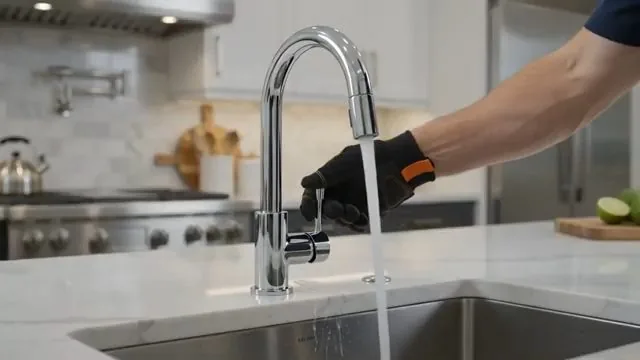
A drip is a cartridge, a disc, or a washer
Almost every dripping tap comes down to the part that shuts the water off having worn, and there are only a few designs in common use.
A single lever mixer almost always uses a cartridge. The fix is replacing it rather than servicing it. Two handle taps with ceramic discs use a pair of valve units that can usually be swapped individually, which is why only one side drips. Older compression taps use a rubber washer against a brass seat. Those are often genuinely repairable with a new washer, though a pitted seat needs dressing or the whole tap replacing.
Where it drips tells us something too. From the spout means the shut off seal. From around the base of the lever or handle means an O ring or the body seal, which is a different part. From under the fixture entirely is not the tap at all, and we look at the supply connections instead.
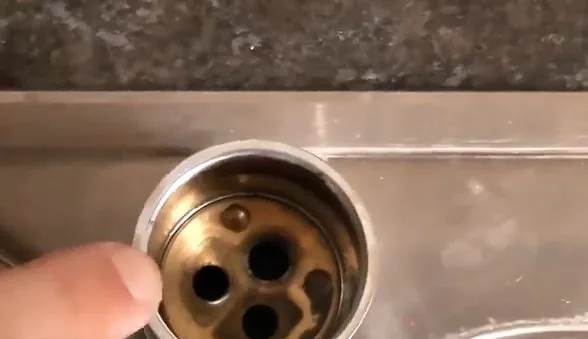
Finding parts for the fixture you already own
This is the real variable in fixture repair, and it is worth being straight about it.
Mainstream brands are well supported, and a cartridge for a common mixer is usually available and often covered by a manufacturer parts warranty that outlives the installation. Imported and designer fixtures are a different situation. The part may exist but only through the brand, the lead time can be weeks, and the price can be a meaningful fraction of a new fixture.
So on a fixture you want to keep, we identify it and source the proper part. Forcing a generic one in is how a repair becomes two visits. On a fixture you were lukewarm about anyway, we will tell you when replacing is the better value, and let you decide rather than deciding for you.
- Photograph the tap from the side, and the underside if you can reach it
- Look for a brand name on the spout, the lever, or the escutcheon plate
- Check under the sink for a model label on the tails or the body
- If you have the paperwork from the install or the renovation, that is the fastest route of all
Shower valves and tub spouts
Shower work splits into what is in front of the wall and what is behind it, and the cost difference between those two is large.
A dripping showerhead, a loose trim plate or a worn diverter on a tub spout are front of wall jobs. The valve cartridge behind the trim is usually reachable through the existing opening on modern valves, which keeps it to a service visit. What takes longer is a valve body that has failed, or a thermostatic unit that has lost regulation. Reaching the body can mean opening the wall or working from the other side.
A tub spout that keeps dribbling while the shower runs is the common one, and it is usually the diverter in the spout rather than the valve. That is worth knowing because it is a much smaller job than people expect when they ring about it.
If water is getting into the structure rather than appearing at the fixture, that is a different problem. Pan and surround leaks behave differently and are covered on bathroom plumbing.
Under the sink: stops, tails and traps
The cupboard under a sink holds several things that fail quietly, and they are a frequent source of calls that start as a mystery leak.
Supply stops are the small isolating valves on the hot and cold feeds. They weep at the spindle as they age, and they also seize. That matters, because a seized stop is the reason a simple tap change turns into shutting off the whole house. We replace them as a matter of course when they are already stiff, since doing it then costs far less than doing it during an emergency.
The trap and its connections are the other half. These are the four things worth checking, and most of them show up first as a stain on the cupboard base.
- A slip joint that has been disturbed
- A washer that has hardened
- A trap arm with a slight sag
- A flexible connector that is corroded or kinked, which is a burst waiting to happen rather than a drip
Outdoor taps, and the freeze that finds them
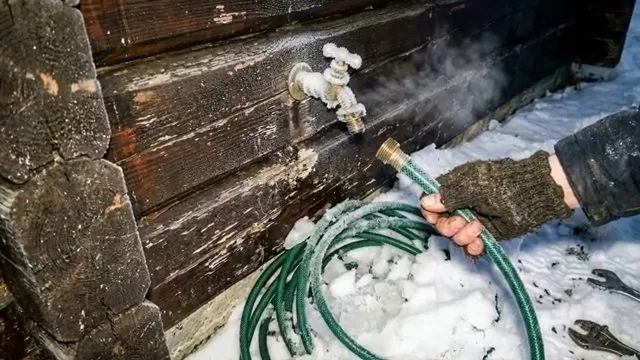
Outdoor taps are the fixture most likely to fail here, and the failure is seasonal and predictable.
The local design conditions are not mild. January lows average around 27 degrees, the winter design temperature is about 13, and the air freezing index is around 300, which is why the frost depth used here is 30 inches. A hose bib sits outside all of that with a short length of pipe behind it, and water left in that section expands when it freezes.
The damage usually is not visible in winter. The split happens in a freeze. You find out in spring, when the tap is turned on and water appears inside the wall or in the basement instead of at the spout. That is the single most common outdoor tap call we take, and it is almost entirely preventable.
- Disconnect every hose in autumn, since a connected hose holds water against the valve and defeats a frost proof tap entirely.
- Find the interior isolating valve for each outdoor tap if you have them, and close it.
- Open the outside tap and leave it open so the remaining water can drain and any expansion has somewhere to go.
- Where there is a bleed screw on the interior valve, open it to let that section drain properly.
- In spring, turn the water on while someone watches the inside of the wall and the basement ceiling rather than only the tap.
Frost proof hose bibs help, because the shut off sits back inside the heated envelope. They are not immune: leave a hose attached and the water stays trapped at the outside end anyway. If yours is not frost proof, swapping it is a sensible piece of work to do in autumn rather than after it fails.
Utility sinks, laundry connections and basement fixtures
Basement fixtures get less attention than the kitchen and the bathroom, and they leak in their own ways. In a basement market that is worth a section of its own.
A utility or laundry sink usually sits on older connections than the rest of the house, often with a longer waste run. The trap also dries out between uses, which is the usual reason a basement smells faintly of drain. The washing machine valves next to it are a more serious item. Those are two valves under full pressure, often decades old and frequently never operated. The hoses attached to them are a classic source of major water damage when they let go.
We replace washing machine valves and hoses as planned work fairly often, and it is one of the lowest cost pieces of risk reduction in a house. If yours are original and the hoses are rubber rather than braided, that is worth doing before it becomes a drying job.
Fitting new taps and sinks
Installation is a large share of this work, and most of it is straightforward. The parts that are not tend to be the same every time.
On a tap swap, the limiting factor is almost always the condition of what is already there. Seized supply stops and corroded tails are what turn a quick job into a longer one. So do nuts that have sat for thirty years in a cupboard nobody can get their head into. We would rather say that in advance than discover it and surprise you with it.
On a sink change, three things are worth checking before you buy, because each can stop the job on the day.
- The cut out size against the existing worktop
- The number of tap holes and their spacing
- Whether the waste position suits the existing trap
An undermount sink in particular is as much a worktop question as a plumbing one, so it is worth a conversation before the sink arrives rather than after.
Where a fixture is being added rather than replaced, the supply and waste have to come from somewhere, and that is a different scope. Worth raising early, because the plumbing often decides where the fixture can actually go.
Taps, spigots and old washer valves
A tap is dripping. Is that worth calling someone about?
It is usually a small job, and leaving it has a cost. A steady drip wastes a surprising volume over a year, and on the hot side you are paying to heat it.
A dripping tap is also a worn seal, and the same wear eventually affects whether you can shut the tap off at all.
Should I repair my faucet or replace it?
It mostly depends on parts. A mainstream brand with an available cartridge is normally worth repairing.
Where the part is discontinued, or only available from the brand at a price close to a new fixture, replacing is the better value. We tell you which situation yours is in before doing the work.
My outdoor tap worked last year and now water is coming into the basement. What happened?
That is the classic winter split. Water sat in the pipe behind the tap, froze, and opened a seam. The tap looks fine because the damage is behind it in the wall.
Close the interior valve for that tap if there is one, and leave the outside tap open. The repair is normally straightforward once the damaged section is reachable.
Can you fit a faucet I bought online?
Yes, and it is common. Check that it suits your sink, specifically the number of tap holes and the hole spacing, because that is the one mismatch we cannot work around on the day.
If it is an imported brand, keep the paperwork, since future parts usually have to come through that brand.
How urgent are old washing machine valves?
Not an emergency, but high on the list of things to do before they fail. They sit under full pressure, they are often original to the house, and a failure puts a lot of water out quickly.
If the hoses are rubber rather than braided stainless, replacing both valves and hoses is planned work and removes a common cause of serious water damage.
Fixture work, and what sits either side of it
This page covers fixtures and the plumbing immediately behind them. A toilet is its own fixture with its own parts, and that is on repairs to the toilet. Wet space work on a shower or tub that leaks into the structure rather than at the valve is on the bathroom plumbing page.
A supply pipe that has split rather than a fitting that is weeping is a different job, and an urgent one: that goes to burst pipe repair. If you cannot find where the water is coming from at all, start with hidden leak detection.
Covered ZIPs: 20850, 20851, 20852, 20853 · Full service area
Tap dripping, or water somewhere under the sink?
Tell us the fixture and roughly how old it is. If you know the make, that helps us bring the right parts the first time.