 Rockville MD
Rockville, MD · Water Heating
Water Heater Replacement in Rockville, MD: Sizing, Venting and the WSSC Permit
Replacing a water heater looks like swapping a box for a similar box. The parts that actually decide whether it is a good job are sizing, venting, the expansion tank, and whether the permit gets pulled.
This page is about new tank installations and replacements. If your current unit has failed but might be repairable, start on the repair side instead, because replacing a heater that needed a part is an expensive way to fix a thermocouple.
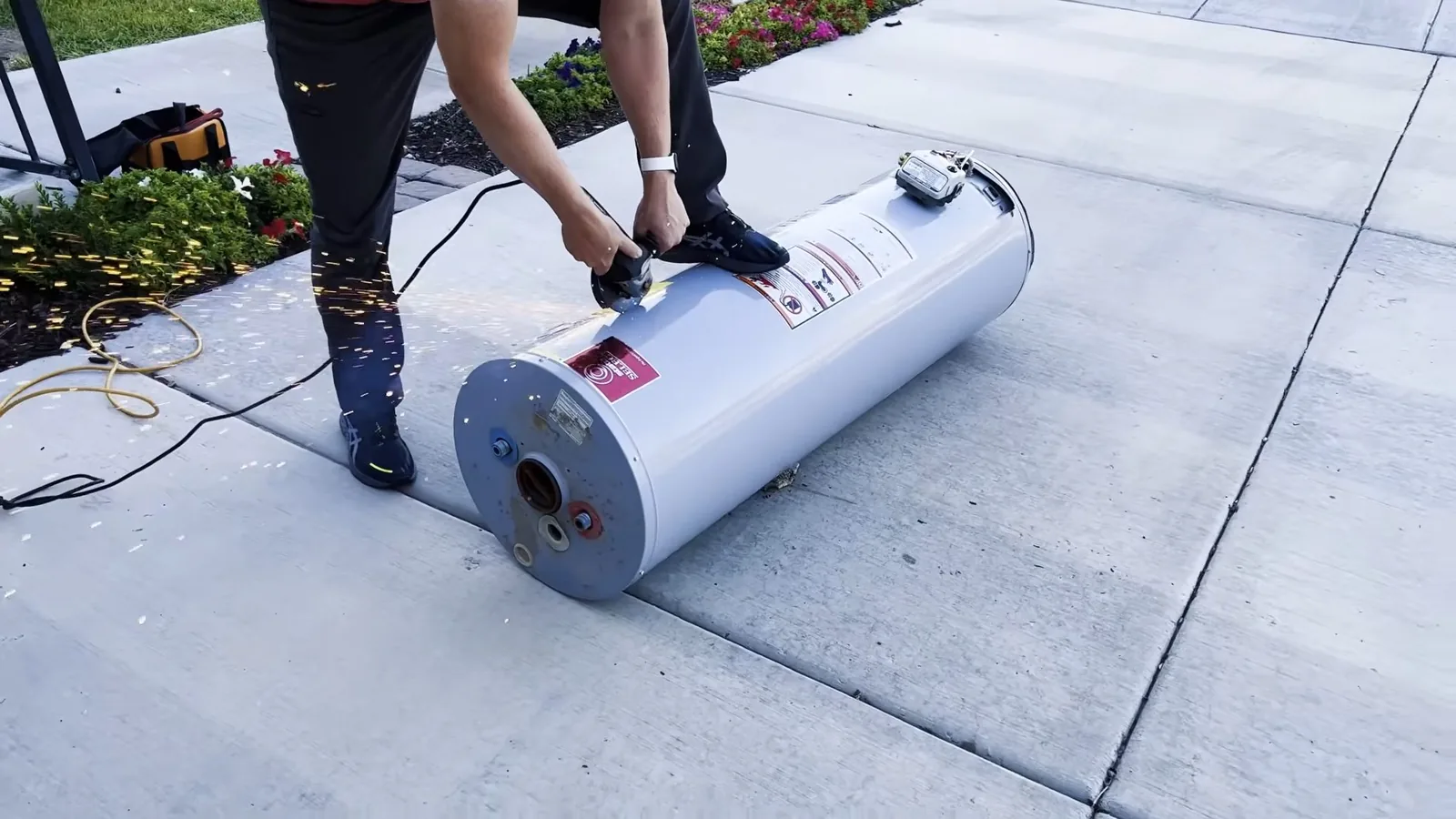
Sizing it for the household rather than for the old tank
The default move is to replace like for like, and that is right more often than not. It is worth a question first, because households change and the old tank was sized for whoever lived there when it went in.
What matters is not the gallon figure on the label but how much hot water the unit can actually deliver in the busiest hour of your day. A household where three people shower in the same half hour needs a different answer to one where usage is spread out.
Gas, electric or a hybrid heat pump unit
All three are installed here and they suit different houses. Gas is usually the lowest to run and needs correct venting and combustion air, which constrains where it can go.
Electric is simpler to site and slower to recover. A hybrid heat pump unit runs far more efficiently than a conventional electric tank, but it needs clearance and a reasonable volume of air around it, and it cools and dehumidifies the space it sits in. In an unconditioned basement that is a side benefit. In a tight closet it is a problem.
| Unit type | What it needs | Suits |
|---|---|---|
| Gas tank | Venting, combustion air, gas supply sized for the load | Replacing an existing gas unit in the same position |
| Electric tank | Adequate circuit, little else | Houses with no gas, or awkward venting |
| Hybrid heat pump | Clearance, air volume, a condensate route | Open basements where running cost matters |
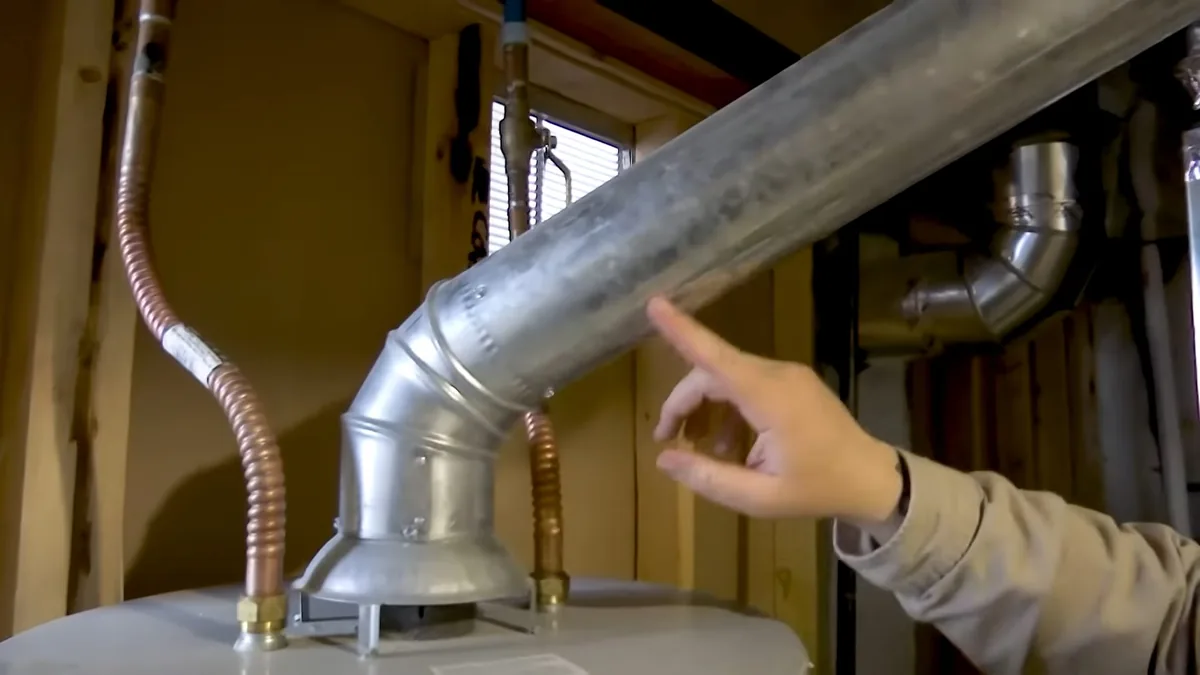
The expansion tank, and why it is not optional
Water expands when it is heated. In a system with a check valve or a pressure reducing valve on the incoming supply, that expanded water has nowhere to go back to, and the pressure rises every heating cycle.
The result shows up as a relief valve that weeps, fixtures that fail early, and a tank that works harder than it should. A correctly sized expansion tank absorbs that, and it is code work rather than an upsell.
What a replacement day looks like
A straightforward swap is a half-day job. It stops being straightforward when the old unit cannot come out of the space it is in, which is worth knowing before the day rather than during it.
- Isolate, drain and remove the old unit, which is the part that needs access planned
- Correct anything the old install got wrong, including venting and the drain pan
- Set the new unit, connect supply, fit or replace the expansion tank
- Fill, purge air, and bring it up to temperature under supervision
- Leave the permit in place for the WSSC inspection rather than closing out and leaving
The WSSC permit and inspection on a gas replacement
Swapping a gas water heater here is permitted and inspected by WSSC Water rather than the county. A WSSC inspector then signs it off, and the window for that is ten business days from installation.
That inspection is the only independent check that the venting and the relief valve discharge were done correctly on your house. It is also the step most often skipped by whoever quotes lowest, which is worth bearing in mind when comparing two numbers.
Hard water, and the one piece of maintenance that pays
Source water here is moderately hard. WSSC puts the Potomac supply at around 7 to 7.6 grains per gallon, which is enough to matter across a tank's working life and not enough to lose sleep over.
The practical effect on a new tank is slow: scale settles out as sediment, insulates the burner or the lower element, and takes years off the unit. Flushing it periodically is the difference between a tank that reaches its expected life and one that does not.
Installation questions before you commit
Should I repair the old one or replace it?
If the tank shell itself is leaking, replace it, because no repair puts rusted steel back. If a part has failed and the unit is not near the end of its life, repair it.
Age alone is not a reason. A working twelve-year-old tank that has been flushed is not an emergency.
Is a hybrid heat pump heater worth it here?
It can be, and the deciding factor is usually the space rather than the maths. They need clearance and air volume, and they cool and dehumidify the room they sit in.
In an open unconditioned basement that is often welcome. In a small closet it will underperform and annoy you.
What does a water heater replacement cost in Rockville?
Tank replacement sits in one range and a tankless conversion in a much higher one, because the second usually brings gas sizing and venting work with it. The cost guide sets out both.
What moves the number inside the range is access, venting and whether an expansion tank has to be added.
Do you pull the permit, or do I?
We do. It is part of the job, and so is booking the inspection that follows it.
If a quote you are comparing does not mention a permit, ask why.
Do you take the old tank away?
Yes, removal and disposal of the old unit is part of the job rather than something left in your garage. Say so when booking if access is awkward, because a tank out of a finished basement is a different carry.
If the old unit is still holding water, it has to be drained before it moves, so allow time for that on the day.
Check repair before replacing, and tankless or other options
If the existing unit has not actually failed, it is worth having someone look before replacing it, and that is water heater repair. A lot of what gets diagnosed as a dead heater is a thermocouple or an element.
Households replacing a tank often ask whether to move away from one entirely, which is a tankless conversation, and any change of fuel or a new appliance run brings in gas line work and its own permit.
Covered ZIPs: 20850, 20851, 20852, 20853 · Full service area
Replacing a tank rather than repairing one?
Tell us the current unit's size, fuel and roughly where it sits. That is usually enough to get you a sensible range on the call.