 Rockville MD
Rockville, MD · Disaster Mitigation
Water Damage Restoration in Rockville, MD: Get the Water Out and the Building Dry
Once the leak is stopped, the job changes completely. What matters from that point is how much water comes out, how fast the structure dries, and whether anyone can prove it dried properly.
This is the removal and drying side of the work. It starts after the plumbing repair, and it is scoped deliberately narrowly, which is set out plainly further down this page.
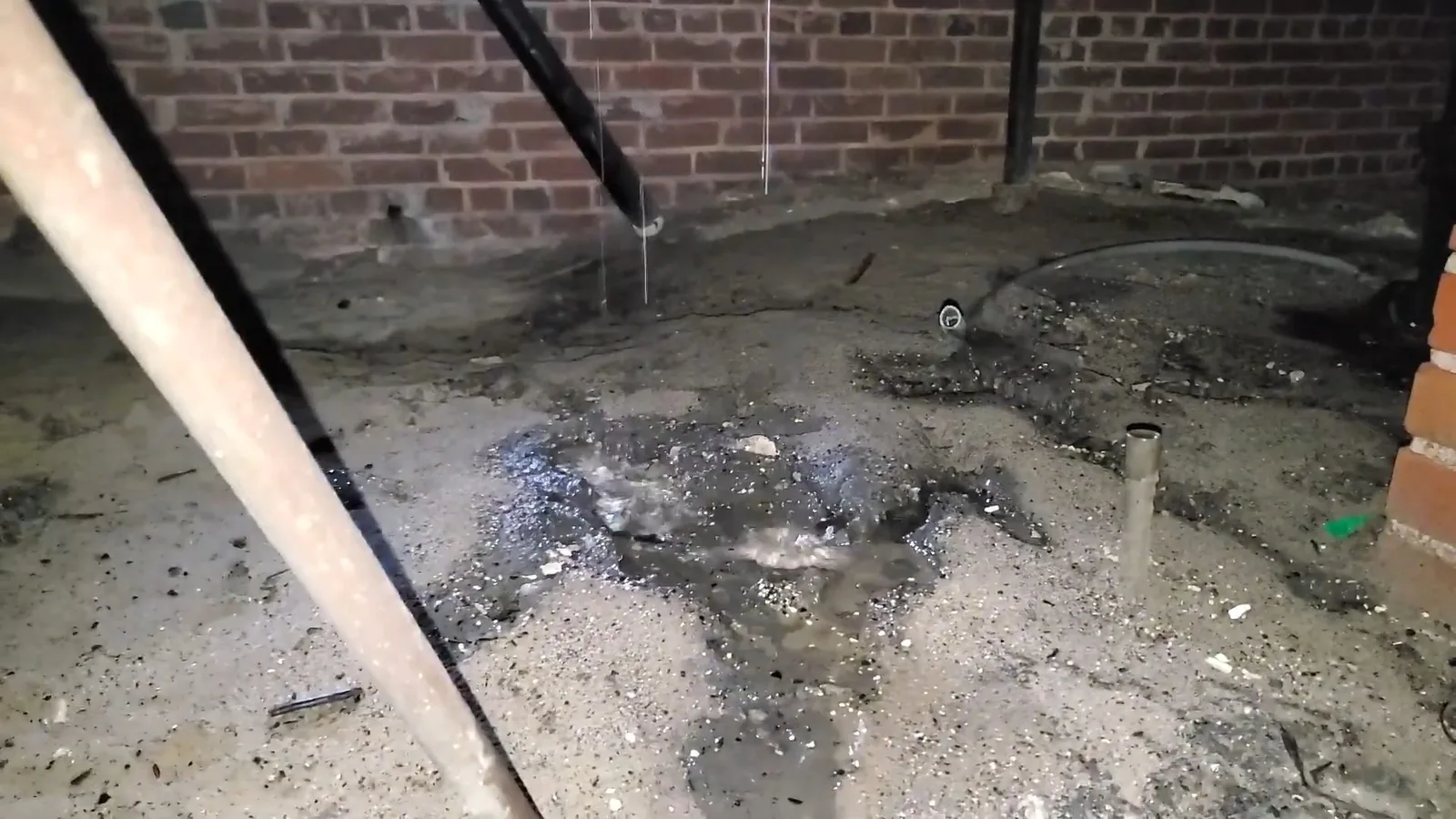
The first hours decide how much of this becomes a bigger job
Water moves faster through a building than people expect. It wicks upward into plasterboard, travels along joists, and gets under floor coverings where it sits in the dark at room temperature.
The practical consequence is that standing water removed in the first few hours is a drying job, and the same water left for two days is a demolition job. Everything on this page is aimed at staying on the right side of that line.
Water that is still coming in, or has reached a socket, a light fitting or the fuse board, is an emergency. Close the main shut-off valve, switch off the affected circuits if you can reach the board without standing in water, and call. Standing water is urgent even when nothing is still running, because the building keeps absorbing it.
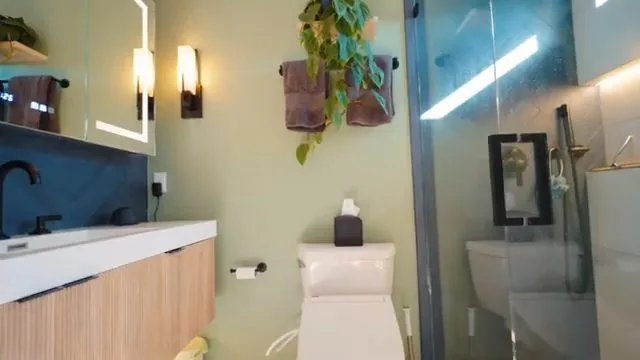
Extraction, then drying, then proof it is dry
The sequence matters and it does not change. Bulk water first, because no amount of air movement dries a puddle. Then controlled drying, with air movers positioned to work surfaces and dehumidification to pull the moisture out of the air rather than just circulating it around.
Then measurement. A structure is dry when a moisture meter says so against a dry standard in an unaffected part of the same building, not when it looks dry or feels dry underfoot.
The same sequence applies in shops, offices and managed blocks, where the added problem is usually access and trading hours rather than the water itself. We work around opening times where we can and say plainly where we cannot.
- Find and confirm the water has actually stopped, which sometimes means the plumbing repair comes first
- Extract standing water, including from under floor coverings where it has travelled
- Set air movers and dehumidification sized to the affected area, not to the room
- Take daily moisture readings against a dry standard elsewhere in the building
- Keep drying until the readings match, then record the final set
Sewage backups are a different job to clean water
A clean supply-line burst and a sewage backup are not the same situation, and treating them the same is how people get ill. Sewage contamination means affected porous materials come out rather than being dried in place, and the area is isolated while that happens.
If what came up is from a main line and it has happened before, the cleanup is only half the problem. The line itself needs looking at, and that is handled on the sewer side rather than here.
Basement water after storms in Rockville
Rockville's basements take water from two directions: a plumbing failure inside, or surface and ground water outside after a heavy storm. The city averages 40.26 inches of rain a year at the Rockville 1 NE station, and the heavy events are the ones that cause trouble.
The clearest local example is 1 September 2021, when the remnants of Hurricane Ida brought flash flooding to the Congressional Towers and Rock Creek Woods apartments. Crews were responding by around four in the morning, multiple basement-level apartments flooded, and at least 150 people were displaced.
Separately, the city's long range plan acknowledges that storm water finding its way into the sewer is a real problem in parts of Rockville, and that some areas of the system are short of capacity. If your basement takes water after storms, tell us where you are, because location is part of the diagnosis.
What we document, and why your insurer wants it
Insurers do not pay for drying, they pay for documented drying. We record the affected area, the readings on arrival, the equipment placed, and a daily log until the structure meets the dry standard.
You get that record whether or not you end up claiming. If you are claiming, photograph everything before anything is moved, and keep damaged items until the adjuster has seen them.
- Photographs of the affected area before equipment goes in
- Moisture readings on arrival, with the dry standard they are measured against
- What equipment was placed where, and for how long
- A daily drying log rather than a single final reading
- The final readings that closed the job
Removal and drying only: why rebuilding is a different trade
Being straight about scope saves everyone a wasted visit. This is removal and drying work. It is not reconstruction.
We do not rebuild what came out. Replacing plasterboard, refitting flooring, redecorating and carpentry are a different trade and a different contractor, and we would rather tell you that now than halfway through. Mold testing is likewise not something we offer.
If the damage goes beyond drying, we will say so in the report, and you will have the documentation a rebuilding contractor needs to quote from.
Finding the leak that caused it
This page picks up after the water has stopped. Working out where it came from in the first place is the locating job, and if nobody has established that yet, that is the part to start with.
It matters for drying too. Equipment running in a building where the source has not actually been stopped is equipment wasting electricity.
Questions after a leak or a flood
How soon does someone need to be here?
For standing water, the same day, and ideally within hours. The difference between a few hours and a couple of days is usually the difference between drying materials and removing them.
If you cannot get anyone out immediately, removing standing water yourself and getting air moving helps more than most people realise.
Will my basement need to be stripped out?
Not necessarily. Clean water caught early can often be dried in place, including under some floor coverings.
Sewage contamination is different, and so is water that has been sitting long enough to have wicked well up the walls. We measure before deciding, and we tell you which it is.
What does water damage work cost?
It scales with the affected area, how long the water sat, and how much equipment the drying needs and for how many days. We give a range once someone has seen it, because an estimate over the phone on this work is guesswork.
The documentation we produce is also what your insurer will want in order to settle, so it is worth having regardless.
Do you deal with the insurance claim?
We produce the evidence, you or your adjuster handle the claim. That means photographs, arrival readings, equipment records and a daily drying log rather than a single sign-off at the end.
We do not advise on policy coverage, and anyone in this trade who tells you what your policy will pay is guessing.
Can I just dry it out myself with fans and a dehumidifier?
For a small spill on a hard floor, often yes. The thing household equipment cannot do is move air through a wall cavity or under a floor, and that is where water sits longest.
The risk is drying the surface while the structure behind it stays wet, which looks finished and is not. If the water reached skirting, plasterboard or subfloor, it is worth having the moisture measured rather than guessed.
Before and after the drying
Drying a building while water is still entering it is wasted effort, so if nobody has established the source yet, finding the leak comes first. Where the water arrived from a drain rather than a supply line, the lasting fix is on the sewer side rather than in the drying.
A failed water heater is a common culprit in a flooded utility room, and that is handled as water heater repair.
Covered ZIPs: 20850, 20851, 20852, 20853 · Full service area
Water in the building and nothing drying?
Water damage restoration Rockville, MD is a race against time. The sooner standing water comes out, the less of this becomes demolition. Call and tell us how long it has been sitting.